
Description
Sunflower Mix
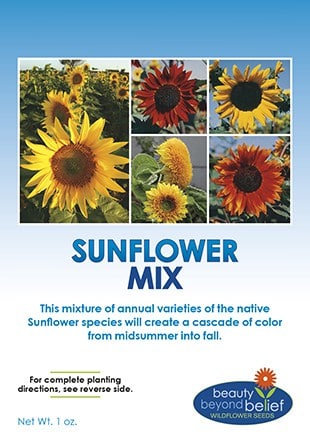
If you love that classic mid-summer garden moment, this easy-to-grow Sunflower Mix delivers it in full force. This blend of annual varieties from native sunflower species (Helianthus annuus and Helianthus debilis) blooms from mid-summer right into fall, filling the garden with color, movement, and life for months.
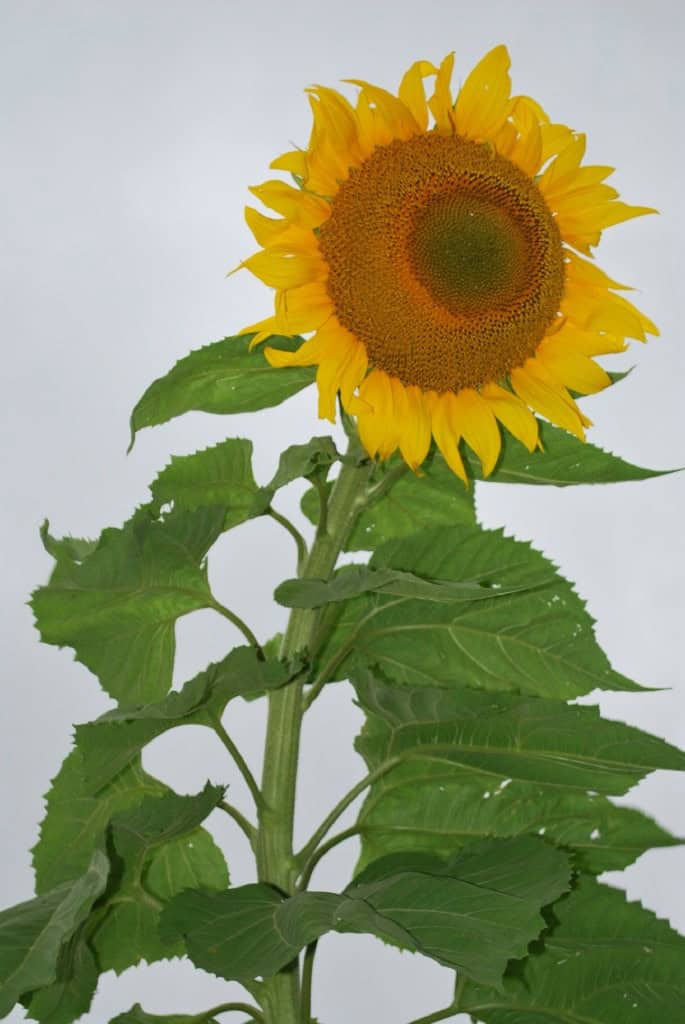
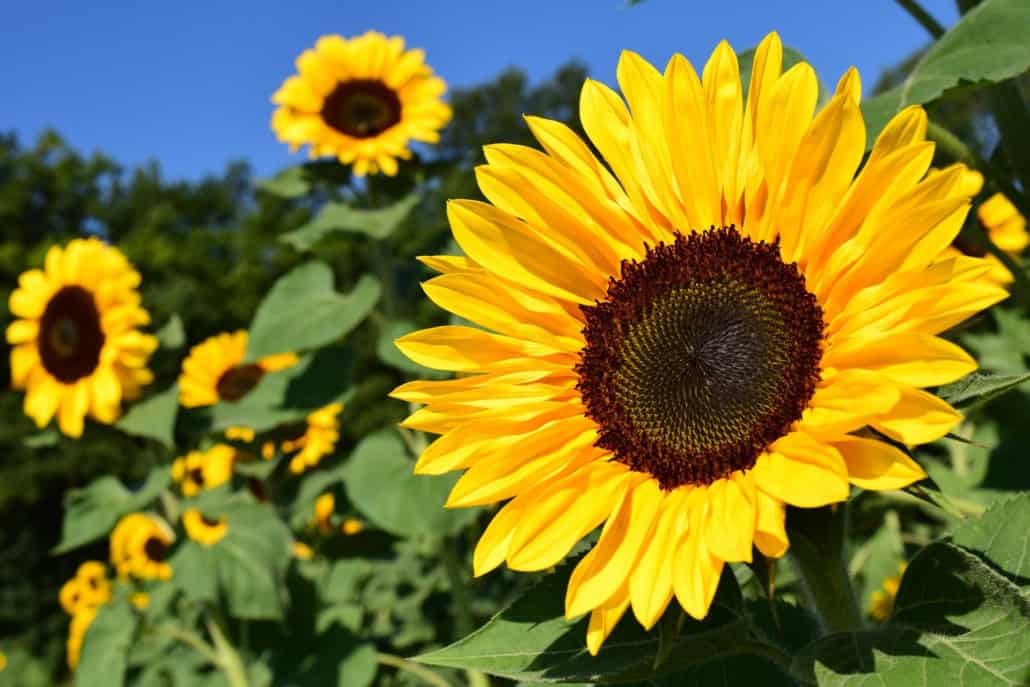
What makes this mix so much fun to grow is the variety. Some plants stay compact while others stretch skyward to an impressive 10 feet tall. Flower heads range from petite to enormous, with some flowers reaching up to 14 inches wide. Together, they create a beautiful display that works wonderfully along fences, walls, garden borders, or anywhere you’d like a cheerful burst of color and height.
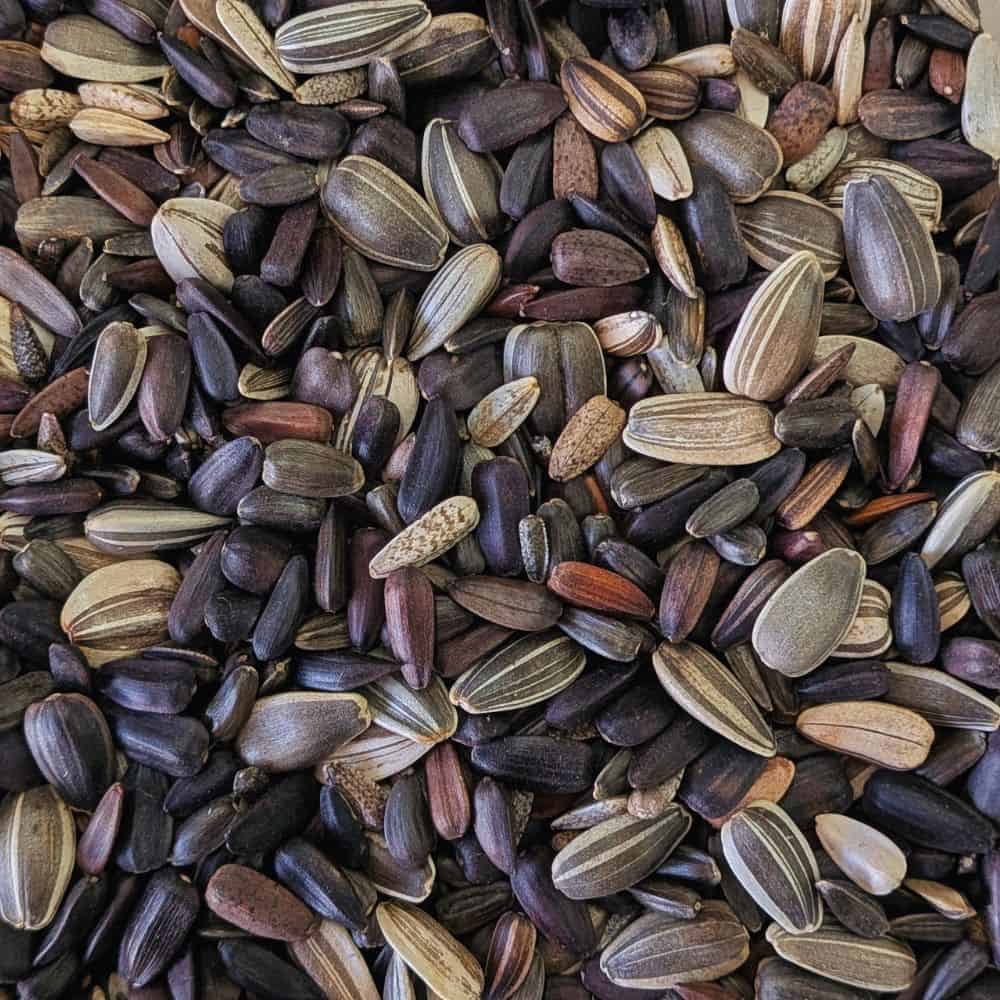
And beyond their good looks, these sunflowers earn their place in the garden. The blooms make excellent cut flowers, the seed heads can be harvested for wildlife or future plantings, and the flowers attract a steady stream of bees, butterflies, and birds throughout the season. They’re also one of those rare flowers that seem to make everyone smile. It’s no accident that sunflowers are often called the “happy flower.”
That connection between people and sunflowers goes back a long time. Kansas proudly calls itself the Sunflower State, and in many cultures, sunflowers symbolize long life, loyalty, and constancy because young flower buds naturally follow the sun across the sky. In Native American traditions, sunflowers have long represented harvest, bounty, and provision. Sunflower images have even been discovered in ancient temples throughout the Andes, showing how deeply admired these remarkable plants have been for centuries.
Includes
A colorful blend of Helianthus annuus and Helianthus debilis varieties:
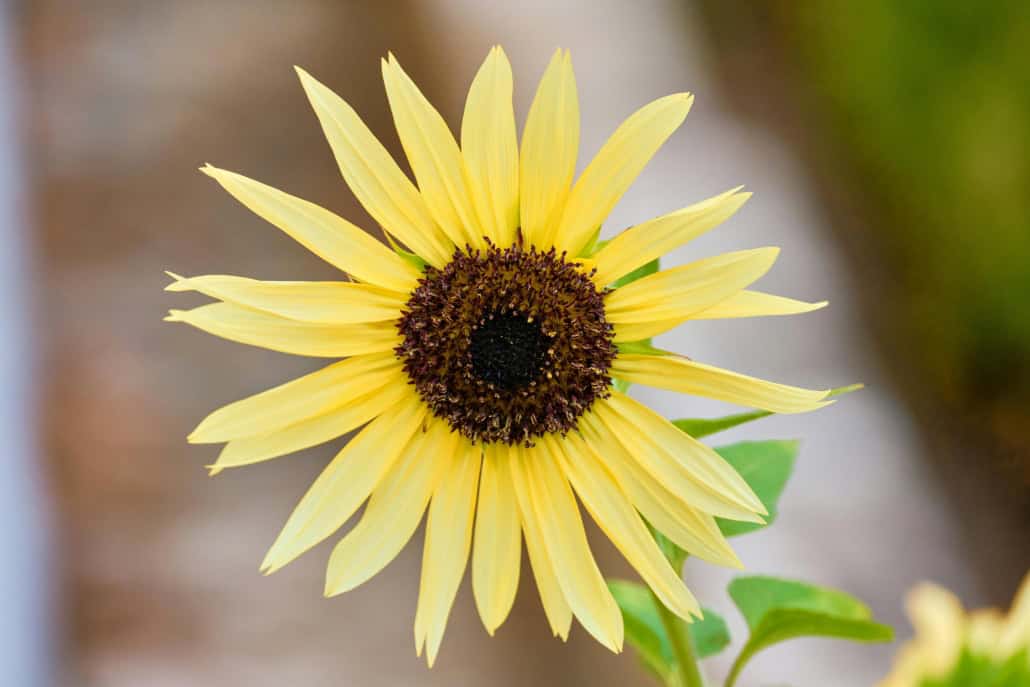
- Ice Cream – pale yellow
- Grey Stripe – large yellow flowers
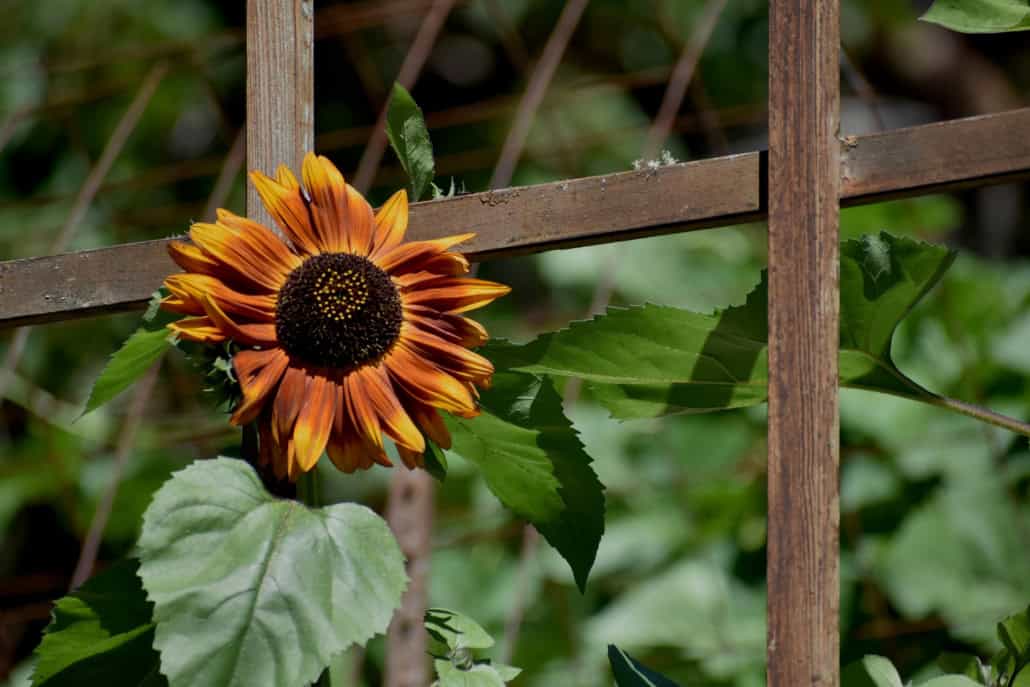
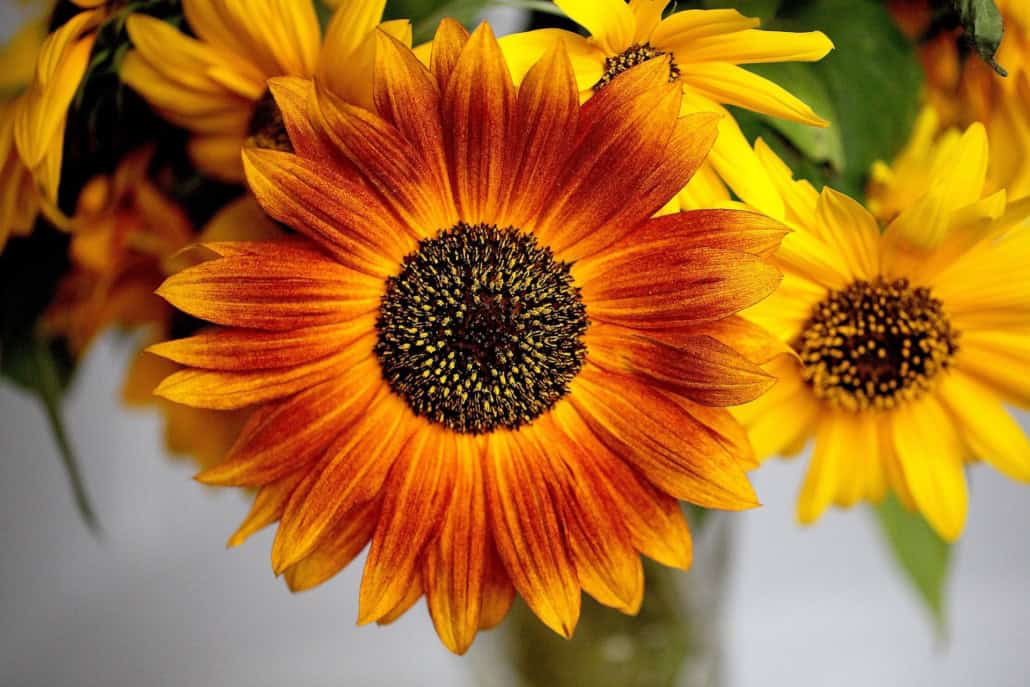
- Earthwalker – burnt orange
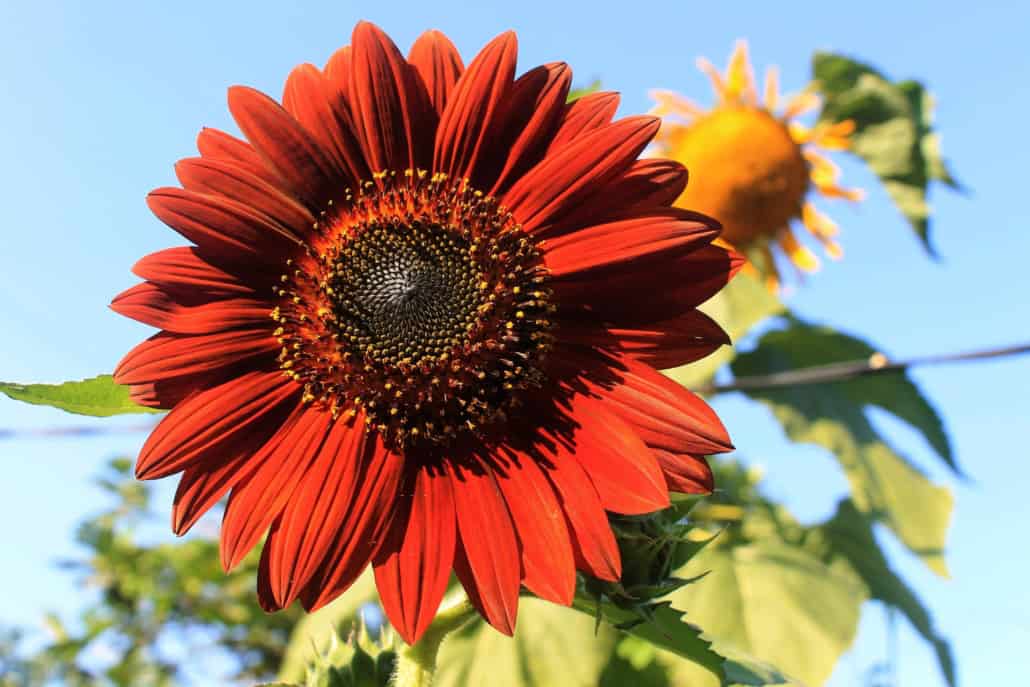
- Velvet Queen – velvet red
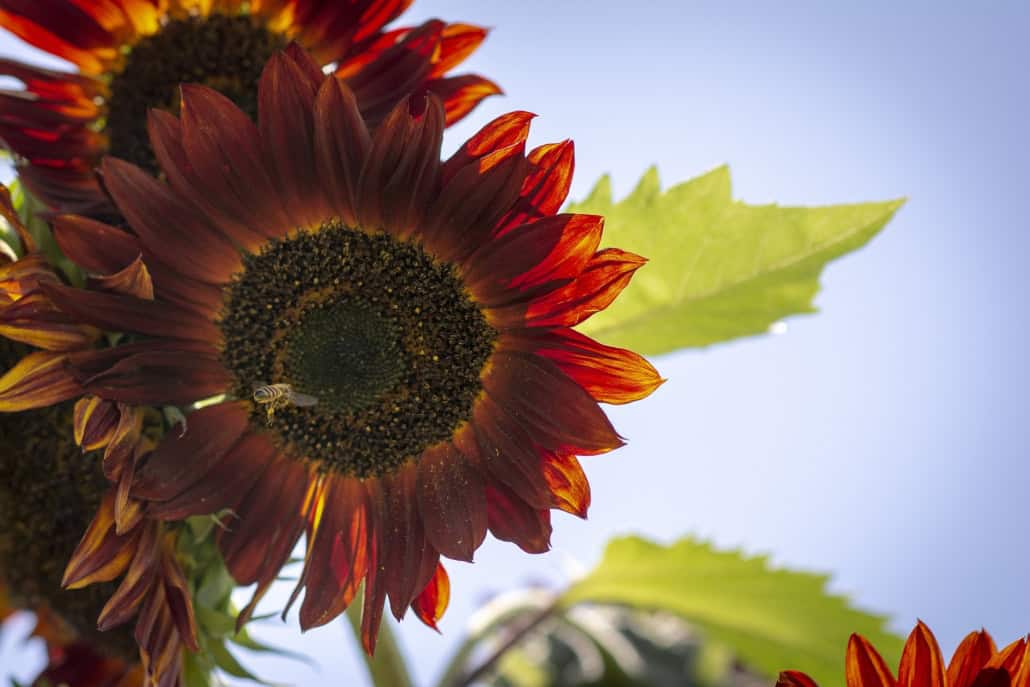
- Chocolate Cherry – deep red to purple
- Lemon Queen – cheerful yellow
- Dwarf Incredible – bright yellow
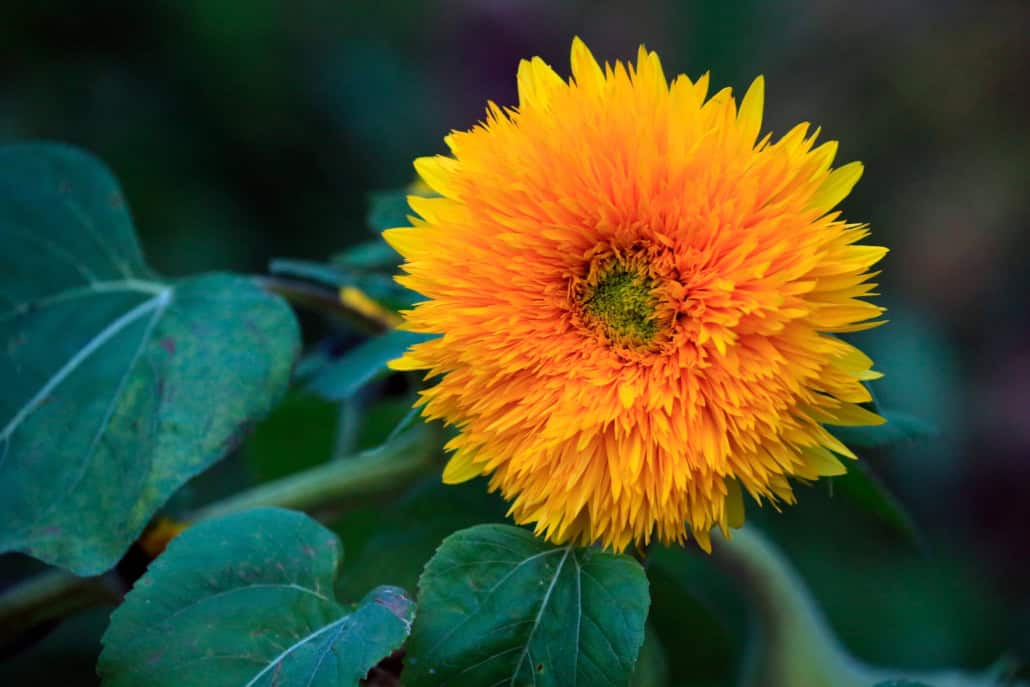
- Dwarf Sungold – fuzzy orange
- Autumn Beauty – yellows, reds, and oranges
Updated 02.11.26
Planting Tips for Sunflower Mix
One of the reasons gardeners return to sunflowers year after year is how easy they are to grow.
Sow seeds directly outdoors, planting them 1-2 inches deep in fertile, well-drained soil. Choose a location that receives at least 6-8 hours of direct sunlight each day. These plants truly live up to their name and perform best in full sun.
Sunflowers develop long taproots, so they appreciate loose soil with good drainage and slightly alkaline pH. For best results, plant seeds about 1 foot apart in rows spaced 2-3 feet apart. If you’re growing the tallest varieties, it’s helpful to plan for a fence, trellis, or other support. The shorter varieties naturally fill in the lower spaces, creating a layered, cottage-garden effect.
Once they’re planted, the real fun begins.
Growing Notes & Garden Behavior
Sunflowers (Helianthus spp.) are one of those plants that seem determined to succeed. Give them sunshine, warmth, and decent soil, and they’ll reward you with weeks of blooms during the hottest part of summer when many other flowers are slowing down.
Getting started is simple. Plant the seeds, keep them consistently watered until they germinate, and then watch them take off. Once established, they thrive in heat and rich soil with very little fuss.
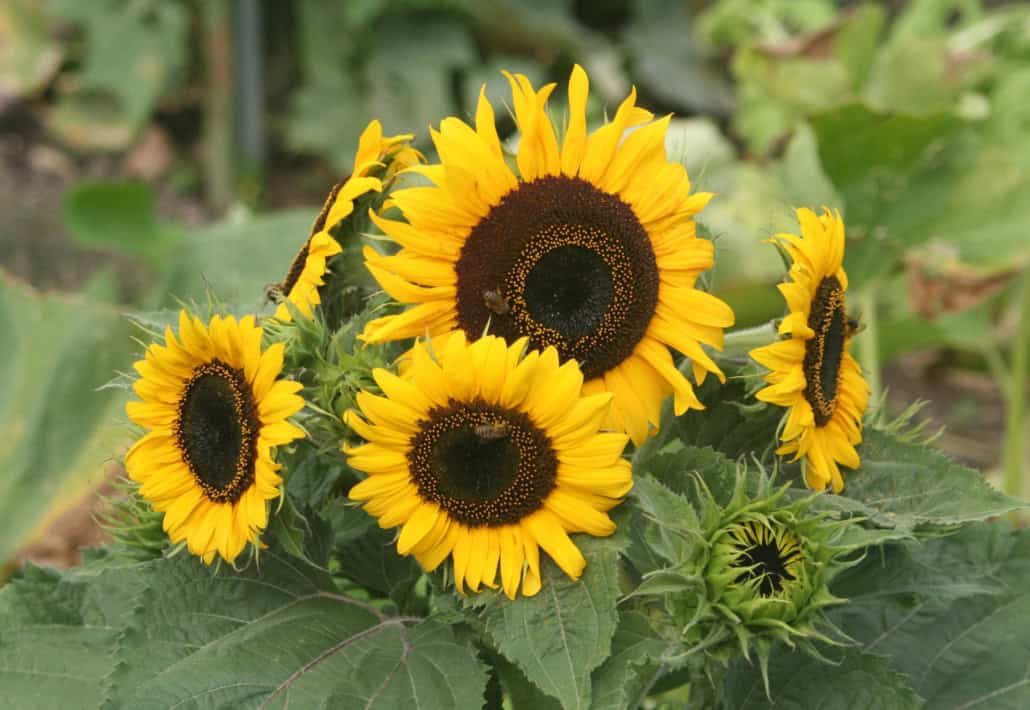
The flowers quickly become a gathering place for pollinators. Bees especially love the pollen-rich blooms, and as the season progresses, birds begin to visit for the developing seeds.
If you’d like even more flowers, regular deadheading can help extend the bloom season by encouraging new flower growth. When removing spent blooms, avoid cutting too far down the stem. New flower buds form just a few inches below the old flower, and cutting too aggressively may remove the next round of blooms before they open.
Eventually, though, every sunflower reaches the stage where it’s ready to share its seeds.
How to keep your sunflowers blooming!
Leave Some for the Birds
As summer fades into fall, resist the urge to tidy everything up too quickly.
Leave the final round of seed heads on the plants and let nature take over. The dried flower heads may not be quite as showy as the fresh blooms, but they become a valuable food source for birds. Finches are especially fond of sunflower seeds and can often be seen balancing on top of the old seed heads, bending over to pluck seeds directly from the plant.
Those last flowers may look weathered, but they’re still hard at work feeding wildlife and helping create next year’s garden.
A Note on Garden Placement
One important thing to keep in mind is that sunflower roots have an allelopathic quality. They release natural compounds into the soil that can inhibit the growth of some nearby plants.
This makes sunflowers surprisingly effective for weed suppression, but it’s best to give them space from flowers or vegetables you want to thrive.
In the Garden
If there’s one thing gardeners tend to agree on, it’s that a garden with sunflowers simply feels more alive. The towering stalks, oversized blooms, buzzing pollinators, and late-season birds create a display that changes from week to week and never really stops giving.
From the first bright blooms of summer to the last finch perched on an autumn seed head, this mix brings color, wildlife, and joy to the garden all season long.


Reviews
There are no reviews yet.