
Description
Lance-leaf Coreopsis
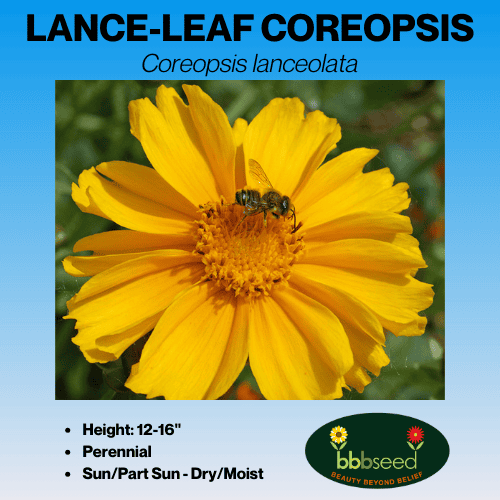
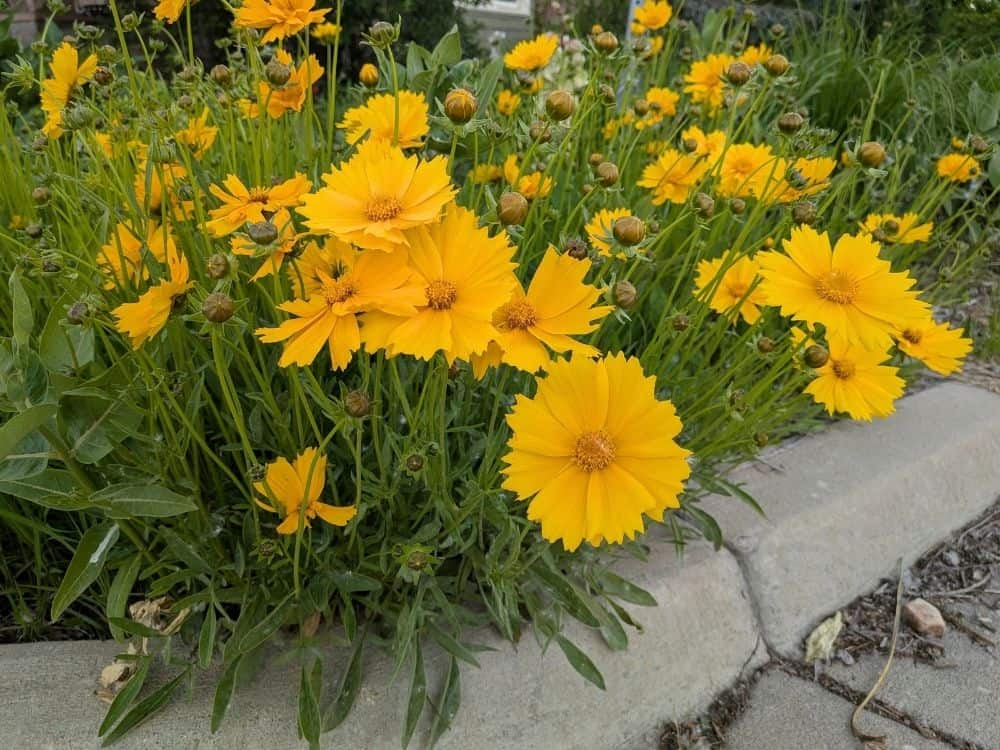
Few wildflowers capture the feeling of early summer quite like Lance-leaf Coreopsis. Once you start noticing its bright golden blooms along roadsides, prairie remnants, open meadows, and naturalized landscapes, you’ll begin seeing it everywhere. Across much of the United States, this cheerful native perennial has become one of those flowers that quietly steal the show each year.
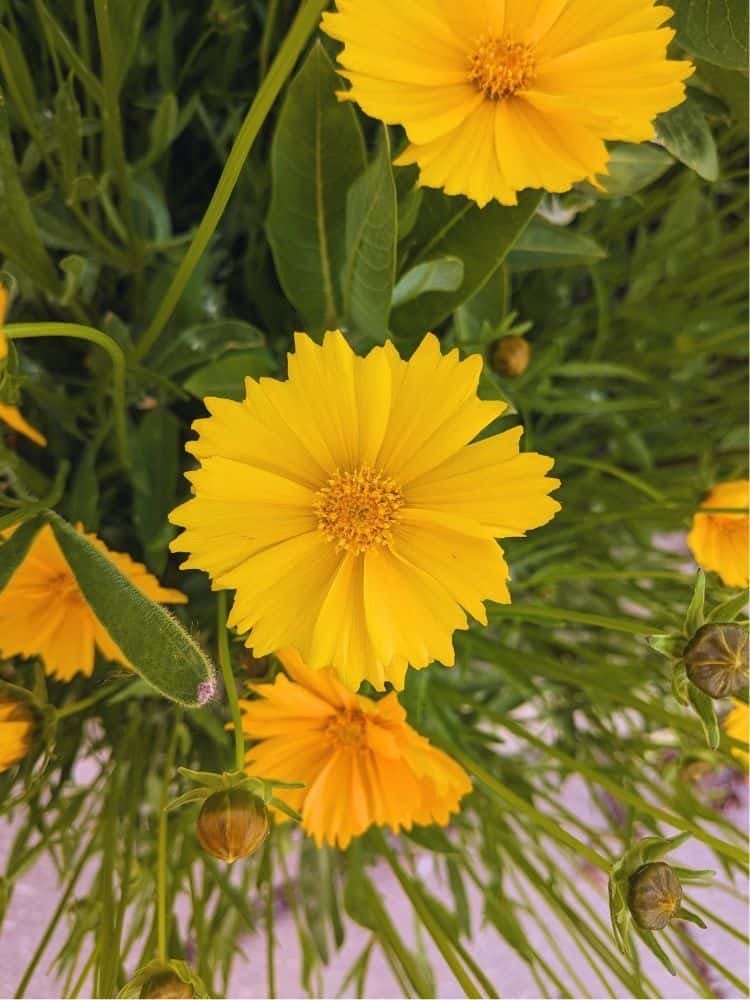
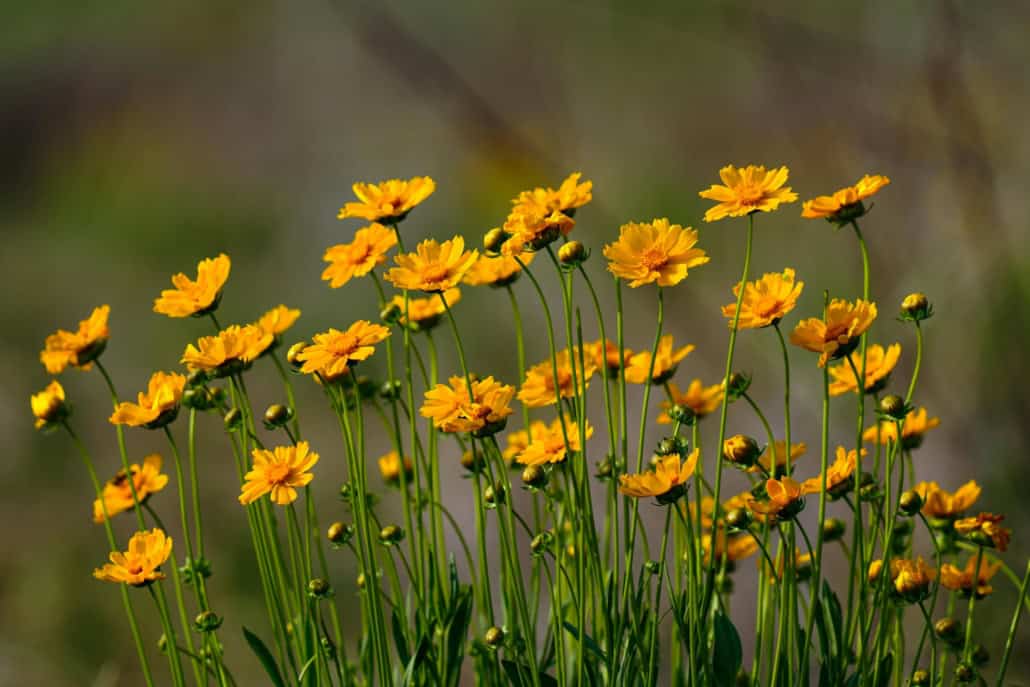
Lance-leaf Coreopsis produces sunny yellow, daisy-like flowers that seem to float above tidy clumps of dark green foliage from June through September. Its long bloom period, drought tolerance, and ability to thrive in poor soils have made it a favorite for native plant gardens, pollinator habitats, wildflower meadows, and low-maintenance landscapes.
Quick Specs:
Color: Bright Yellow
Height: 12-16 inches
Type: Native, Perennial
Climate: Sun/Part Shade-Dry/Average
Bloom Time: June to September
Growing Conditions: Full sun to Partial Shade
Soil Preference: Dry to Average, Well-Drained Soils
Pollinator Value: Attracts Bees and Butterflies
Zones: 4a-9a
Seeds/lb.: 202,000
Packet Wt.: 1 oz (Approximately 12,000 seeds)
Rate: 1 oz/ 100 to 200 sq. ft.
Native to a broad region of North America, Lance-leaf Coreopsis naturally occurs from the Great Plains to the East Coast and throughout much of the South and Midwest. It has adapted to open prairies, rocky glades, and dry grasslands, making it remarkably resilient once established. Despite its delicate appearance, this is a tough perennial that performs beautifully in challenging sites where other flowers may struggle.
Bees and butterflies are frequent visitors, drawn to the bright flowers throughout the growing season. In fact, Lance-leaf Coreopsis is often included in pollinator restoration projects because of its value as a nectar source and its dependable blooming habitat.
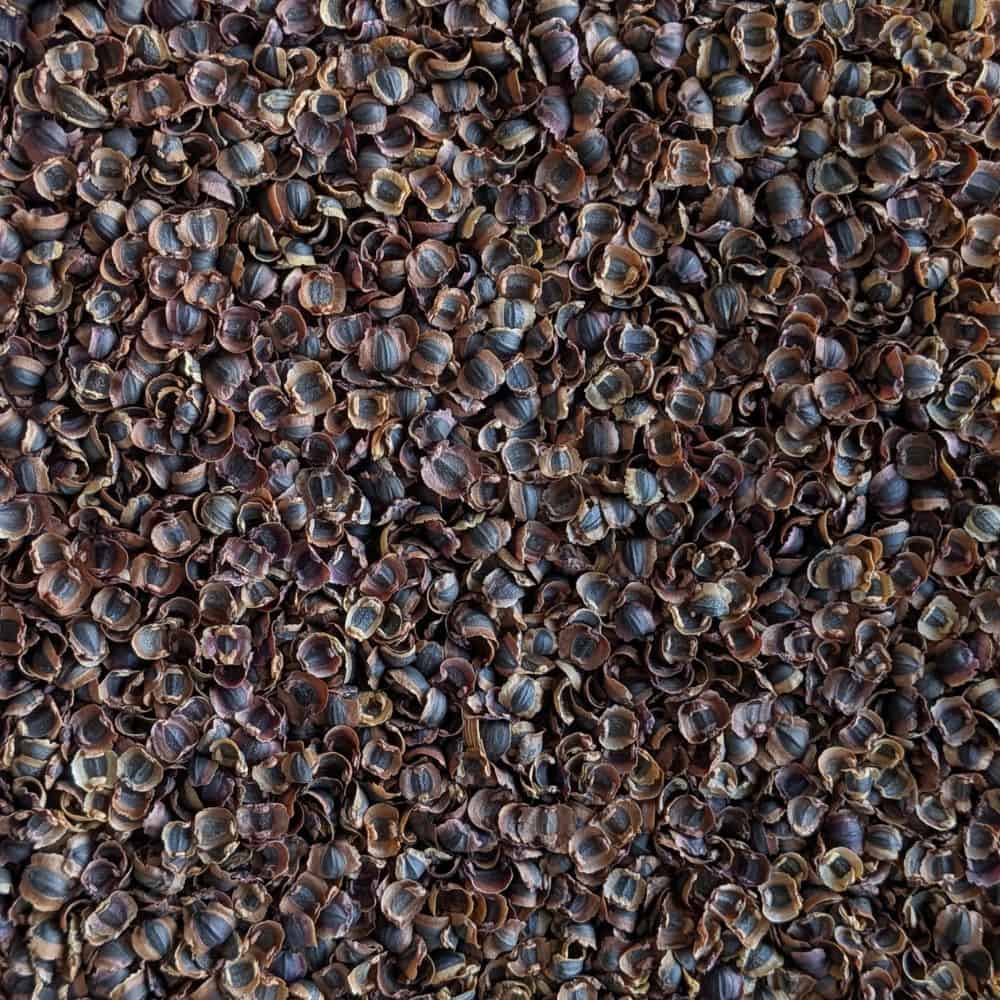
One interesting fact is that the genus name Coreopsis comes from Greek words meaning “bug-like”, referring to the appearance of the seeds. Another long-standing gardening belief is that large drifts of Coreopsis can make a landscape appear brighter even on cloudy days. While that may be impossible to measure scientifically, anyone who has seen a hillside covered in bloom may find it hard to disagree.
Whether planted in a native wildflower meadow, cottage garden, prairie planting, or sunny border, Lance-leaf Coreopsis brings months of golden color with very little effort. It is a wonderful example of how some of North America’s most beautiful flowers are also among the easiest to grow.
Planting Time:
Sow outdoors in spring through early summer when soil temperatures reach 60-70°F. Plants germinate in 2 to 4 weeks in ideal temperatures, may bloom lightly the first year, and typically reach peak flowering performance in their second season. Or plant in late fall for spring germination.
For gardeners looking to add a durable native wildflower with long-lasting blooms, drought tolerance, and exceptional pollinator appeal, Lanceleaf Coreopsis remains one of the most rewarding choices available.
Check out our other Coreopsis varieties (Plains) (Red Dwarf), and drought wildflower mixes (Drought Tolerant Wildflower Mix, Great Plains Prairie)!


Reviews
There are no reviews yet.